On the short documentary "Les Statues Meurent Aussi" from 1953
This essay was originally published in the newsletter on June 17th, 2022.
Double Features
I absolutely love watching double features and I’m very interested in figuring out relationships between films that would make a worthy double feature.
Rosemary’s Baby and Hereditary
Rosemary’s Baby is one of my all-time favourite movies for many reasons. One of them is the exploration of the paranoia Rosemary faces during the film. The atmosphere of being gaslighted and having information disclosed from you is fascinating to me and Hereditary has that same aspect.
Both movies unfold while vital information is being withheld from the main characters. And you, as the spectator, can only find out what is actually going on as those characters investigate the story, which develops into a creepy nightmare.
Also, both films deal with the thematic of cults, which I find fascinating in many ways.
Taxi (1998) and Baby Driver
This double feature provides: fun, amazing music scores, nice editing, and more fun.
I love the irony of movies about cars that don’t use the standard type of car you would expect to see in a movie about cars and speed. Now, don’t get me wrong: I hate cars, but I just find these movies fun as hell.
☼
On the short documentary “Les Statues Meurent Aussi” (Statues also die)
As I mentioned earlier, I don’t have a lot of time to write this week, and I’m also not feeling particularly inspired. That being said, I watched this short documentary that really spoke to me and I don’t want to miss the opportunity of writing about it.
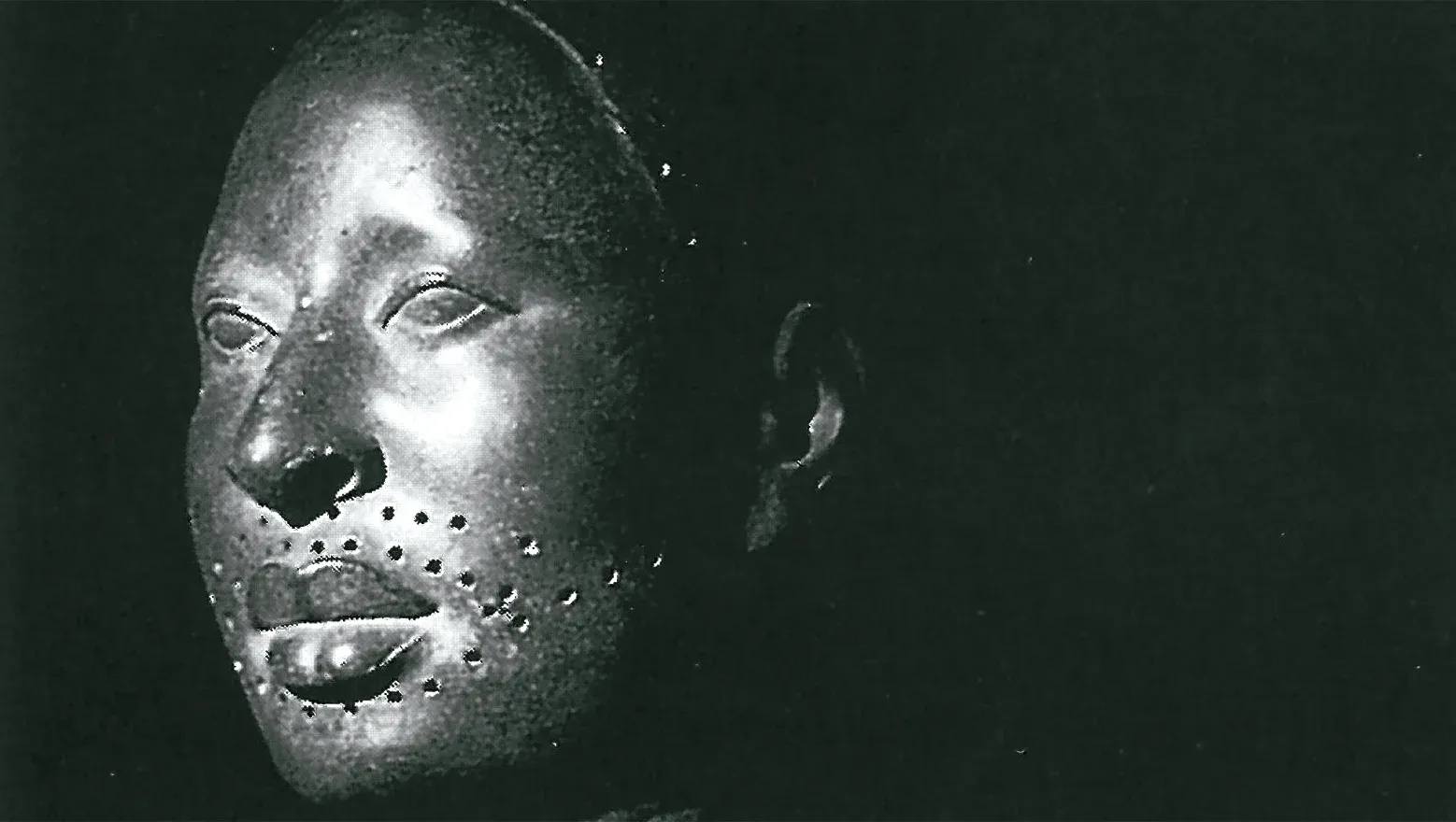
Statues Also Die is a French documentary from 1953, and has a very interesting premise:
[It departs] From the question “Why is the African in the Human museum while Greek or Egyptian art are in Le Louvre?”, the two directors expose and criticise the lack of consideration for African art.
Despite being almost 70 years old, I consider this documentary very relevant for the contemporary viewer due to its strong anti-colonialist purpose.
Beautifully written in essay form, Statues Also Die is very poetic and gives the viewer a lot of time to contemplate the artifacts it discusses. It gets very clear it was written with a certain degree of anger, that gives its powerfully incisive tone.
These great empires are now dead kingdoms to history. Contemporaries of Saint Louis, of Joan of Arc, they are even more unknown to us, than those of Sumer and Babylon. In the last century, the flames of conquerors turned this whole past into an absolute enigma. Black upon black, black battles in the night of time, the sinking has left us only with this beautiful striped wreckage which we interrogate.
I don’t have so much to write about the essay because it’s just so beautifully articulated that it would be too pretentious of me to try and add anything to it.
It’s inquisitive, provocative, informative, and fearless. I understand it must be complicated for many readers of this newsletter to follow the whole essay while watching the video (French with Spanish subtitles), so I found a transcript in English to, hopefully, make it more accessible.
The cinematography, regarding the exploration of the artifacts, is extremely thoughtful, poetic, and delicate. It puts in evidence the artistically visual aspects of the pieces, and many of those being masks, it really reminded me of Moonlight.

Moonlight is a movie that focuses heavily on face closeups, if you scroll through the screen caps of the film you’re going to be able to identify that pattern. It’s a film where a lot of what has to be conveyed is shown, instead of said, specially by the actor’s expressions or gaze.

Despite the many decades that separate them, both films aim to give voice to black perspectives.
Status Also Die and Moonlight share the same visual value of exploring black facial expressions. These films also have the intent of bringing an artistic light onto the “black life experience”, which makes them complementary in regards to this discourse.


Moonlight and Statues Also Die pulse on the same deep desire to fight the colonialist discourse that limits the black existence, and from that perspective, they’re part of the same narrative, which makes for a perfect double feature.